

Why data quality is the foundation of smart pig farming
In modern pig farming, an enormous amount of data is collected every day, from feeding systems and climate control to breeding records and health monitoring. Yet despite this wealth of information, many farms still struggle to unlock their full potential. As efficiency, cost control, and animal health become increasingly critical in a highly competitive market, the ability to make informed decisions has never mattered more.
In this article, you’ll learn how improving data quality leads directly to smarter decisions, stronger operational performance, and ultimately better farm results. From understanding common data pitfalls to unlocking the value of well-managed farm data, you’ll gain insights that help transform raw information into meaningful, profitable action.
What does data quality really mean?
Data quality is all about how reliable and usable your farm data is. It includes five key elements:

Completeness:
all relevant events are recorded (every mating, treatment, or feed change).

Accuracy:
information is accurate and reliable (no estimates or late corrections).

Consistency
data is recorded in the same way by every employee

Timeliness
data is entered quickly enough to support analysis and early decisions.

Accessibility
data is easy to find, understand, and useful for employees, management and advisors.
Many pig farms assume their data is “good enough,” but routine checks often reveal missing, outdated, or inconsistent records. Strong data quality matters because it enables clearer insights, better benchmarking, faster detection of issues, and more confident decision-making for both management and their advisors.
Common issues in everyday practice
In many pig farms, data problems are far more common than most people think. Incomplete farrowing records, missing treatments, or unclear mortality notes happen easily, especially during busy periods. Different employees may enter information in different ways, creating inconsistencies across systems. Older data often becomes inaccurate as management routines change, and sometimes the same information appears twice or even contradicts itself. These issues aren’t unusual; they occur on almost every farm and are usually the result of human factors such as time pressure, seasonal workload, or staff changes. The consequence is that analyses may be based on wrong assumptions, making it harder to see trends clearly or make confident decisions.
How data quality impacts decisions and results
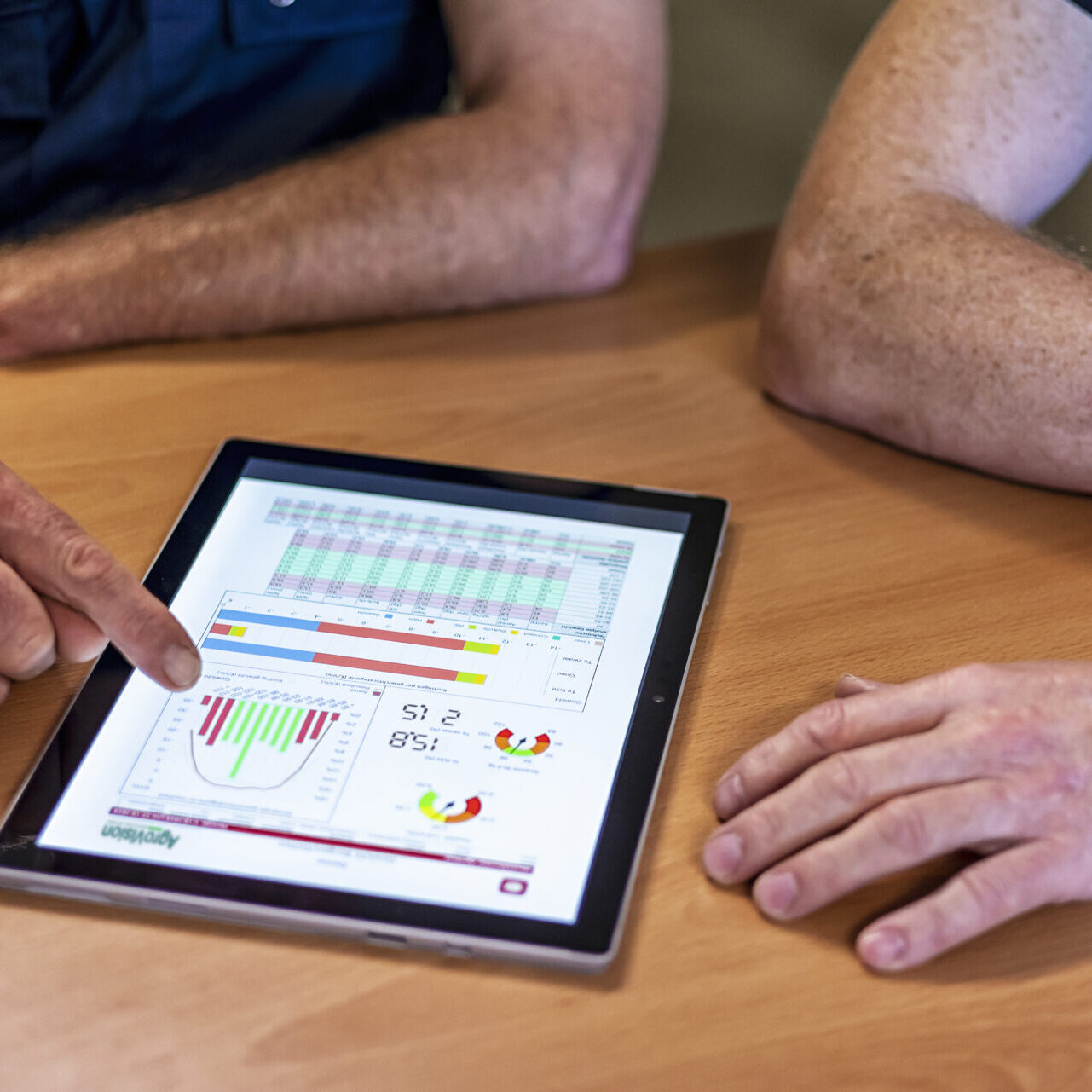
Poor data quality gives farmers an unreliable picture of their herd. When records are incomplete, outdated, or inconsistent, key metrics no longer reflect reality. This can lead to wrong decisions around reproduction, feed efficiency, health, and planning, because issues remain hidden or are noticed only when they’ve already become costly. Without accurate and timely information, trends are harder to interpret; health monitoring becomes less effective, and benchmarking loses its value.
With high‑quality data, decision‑making becomes clearer and more proactive. Farmers can spot changes in performance much earlier, adjust feeding or breeding strategies with confidence, and plan labour and resources more efficiently. Reliable data also improves cooperation with advisors and agri-business partners, since everyone works from the same dependable information. The result is better insight, stronger performance, and greater trust in the numbers that guide both daily actions and long‑term strategies.
Practical steps to improve data quality
It’s great to talk about data quality, but the real question is: how do you improve it on your farm?
- Start by creating a clear approach
Define who records what, where, and when. One method, one routine, everyone follows it. - Train your team (regularly)
Make sure every employee knows how to register data correctly and consistently, using the same definitions and codes. - Check the data regularly
Review entries frequently to spot missing, late, or inconsistent information before it becomes a problem. - Involve advisors or experts
Let specialists review your data structure and results so you’re sure the numbers reflect reality. - Use mobile devices to record data directly in the barn
Mobile apps help avoid many of the issues caused by late or handwritten registrations. Validation rules (such as mandatory fields, allowed ranges, or warnings for impossible values) help prevent mistakes right at the moment of recording. - Connect your systems
Reduce manual work and mistakes by linking software and devices, so data only has to be entered once.
Conclusion:
High data quality isn’t a luxury; it’s the foundation of good farm management. When your numbers are reliable, every choice you make becomes clearer, faster, and more effective. It’s worth taking a moment to look critically at how data flows through your own farm: where it starts, who records it, how consistent it is, and whether it still reflects reality. Even small improvements in how data is captured and used can make a big difference in performance, planning, and confidence in your decisions.