


AI in agriculture: how smart data helps farmers make better decisions
Artificial Intelligence. You hear about it everywhere. On the news, at the bank, at birthday parties and increasingly in agriculture. Sometimes it sounds as if computers will soon take over the entire farm. As if algorithms will decide when you sow, feed, or harvest. That raises questions and sometimes a bit of unease.
But let’s be clear right away: AI does not replace farming expertise. It strengthens it. Artificial intelligence sees what the naked eye misses, but the farmer remains the one who makes the final call. AI calculates, compares, and warns. You assess, interpret, and decide. Exactly as good craftsmanship requires.
What is AI in agriculture?
AI in agriculture may sound complicated, but in practice it isn’t. You don’t need to be an IT specialist to understand what it does.
AI is simply smart software that analyses enormous amounts of data at lightning speed. Think of:
- production figures
- weather data
- soil measurements
- sensors in the barn or on the tractor
Where a human can oversee a handful of numbers at once, AI can compare thousands of data points simultaneously. It looks for patterns and connections that the human brain cannot detect. Based on that, the software gives a signal, warning, or recommendation.
Nothing more, nothing less.
Why AI is becoming increasingly important on the farm
It’s no coincidence that AI is gaining such a big role in the agricultural sector right now. Farming has become much more complex in recent years.
More data than ever
From milking robots and feeding systems to tractors and weather stations: measurements are happening constantly. This data is valuable, but only if you can actually use it. AI helps make that data stream clear and actionable by turning it into concrete signals and advice.
More complex decisions
Regulations change continuously. So do weather patterns, market prices, and societal expectations. Decisions have more consequences and must be made faster. AI helps weigh all relevant information and make better‑supported choices.
Pressure on efficiency
Margins are tight. Every kilo of food, every litre of water, every hour of machine time counts. Precision agriculture powered by AI helps optimize exactly where it pays off, without treating the entire farm the same. That also means less waste of feed and water.
What AI can do in agriculture (and what it can’t)
AI is impressive, but it has limits. And that’s exactly why the collaboration between human and technology works so well.
What AI can do
- Calculate and compare extremely fast
- Recognize patterns in historical and real‑time data
- Detect abnormalities before they become visible
- Stay objective, day and night
What AI cannot do
- Smell, feel, and see the way a farmer does
- Know the history of your farm
- Understand that “this year is just different”
The software may detect a dip in production. The farmer knows the feed was recently changed or that there was a technical issue last week. AI misses that context. You provide it.
The human brain excels at context and experience: “That cow is walking a bit stiff today.” “That corner of the field is always wetter.”
AI excels at computing power: weather data, feed conversion, historical yields, animal behavior all at once. Together, they form a powerful team.
Practical examples of AI in agriculture
AI becomes truly interesting when you recognize it in daily practice.
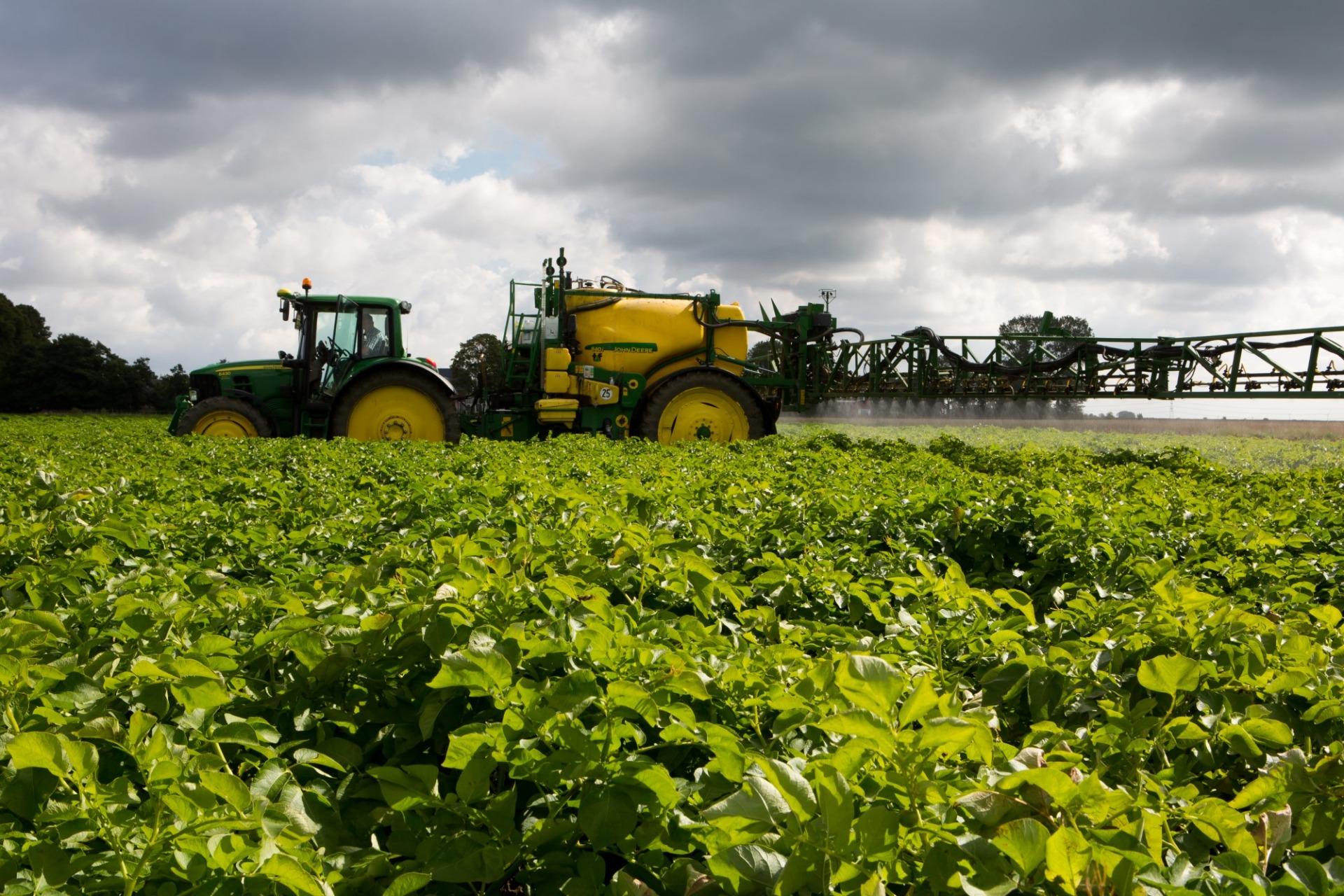
Determining the optimal spraying moment (arable farming)
Smart agricultural software combines local weather data, soil moisture, and crop development. The system advises the best moment to spray when effectiveness is highest and losses are minimal. You decide whether the advice fits your field’s situation.
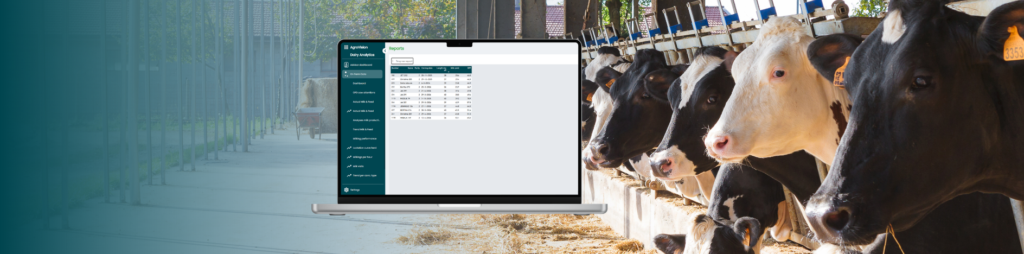
Monitoring animal health (livestock farming)
AI detects subtle changes in eating behavior, activity, or milk yield. Often days before the human eye notices. This allows you to intervene before an animal becomes seriously ill, reducing suffering and lowering costs.
Improving feed efficiency
By combining data from different systems, AI can show where feed utilization deviates. Not to dictate, but to ask targeted questions: where is there room for improvement?
How farmers can work together with AI
Working with AI doesn’t require blind trust, but also not suspicion.
- Use it as a tool, not as absolute truth
- Stay critical; you know your farm best
- Use the time you save to be more present in the barn or field
- See AI as a digital farm advisor that watches along 24/7
You no longer need to dig through spreadsheets yourself. AI does the groundwork so you can focus on where you make the real difference.
Conclusion: AI supports, the farmer decides
AI in agriculture is not a replacement for craftsmanship. It is the ultimate assistant: tireless, fast, and objective. It recognizes patterns in a sea of data, but farming expertise determines what happens with that information.
Those who use AI wisely strengthen their own judgment. No futuristic fantasy, but a practical tool for today and tomorrow.
The farmer remains the manager. AI provides the facts.
And with farmer‑focused software that grows with your business, AgroVision helps make that collaboration future‑proof.
Would you like to find out more about AgroVision products?

Share this message on:


Read more about
AgroVision


Why poor data quality directly costs agricultural businesses money
Making decisions based on incorrect figures is like driving with a navigation system set to the wrong destination. You think you’re on the right track, you follow every instruction, and it feels like you’re getting closer to your goal but in reality, you’re quietly heading in the wrong direction.


New weather station network in Germany delivers accurate, field specific weather data and spraying advice
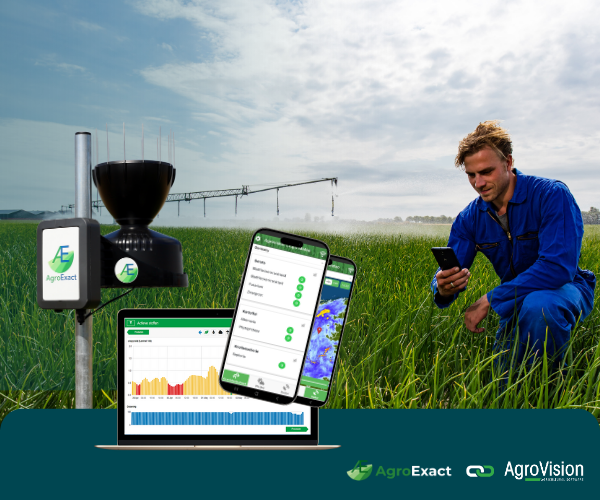
Starting 1 April, a new national, comprehensive weather station network with integrated advisory software will be rolled out across Germany. This all in one system provides arable and vegetable farmers with precise local weather data and practical spraying advice, enabling them to better prioritise and avoid unnecessary spraying costs.